
Squarespace vs Duda
Squarespace is the better fit for creators and brand-led businesses that care about presentation quality, while Duda is stronger for agencies and freelancers managing multiple client builds.
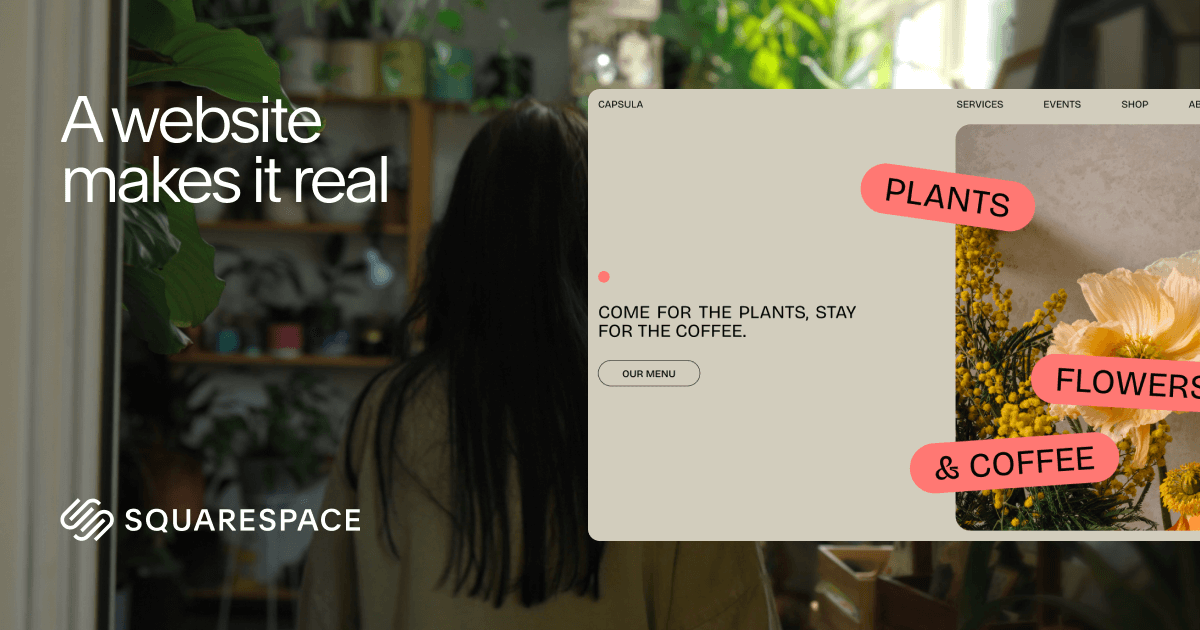

Creators and brand-led businesses that care about presentation quality.
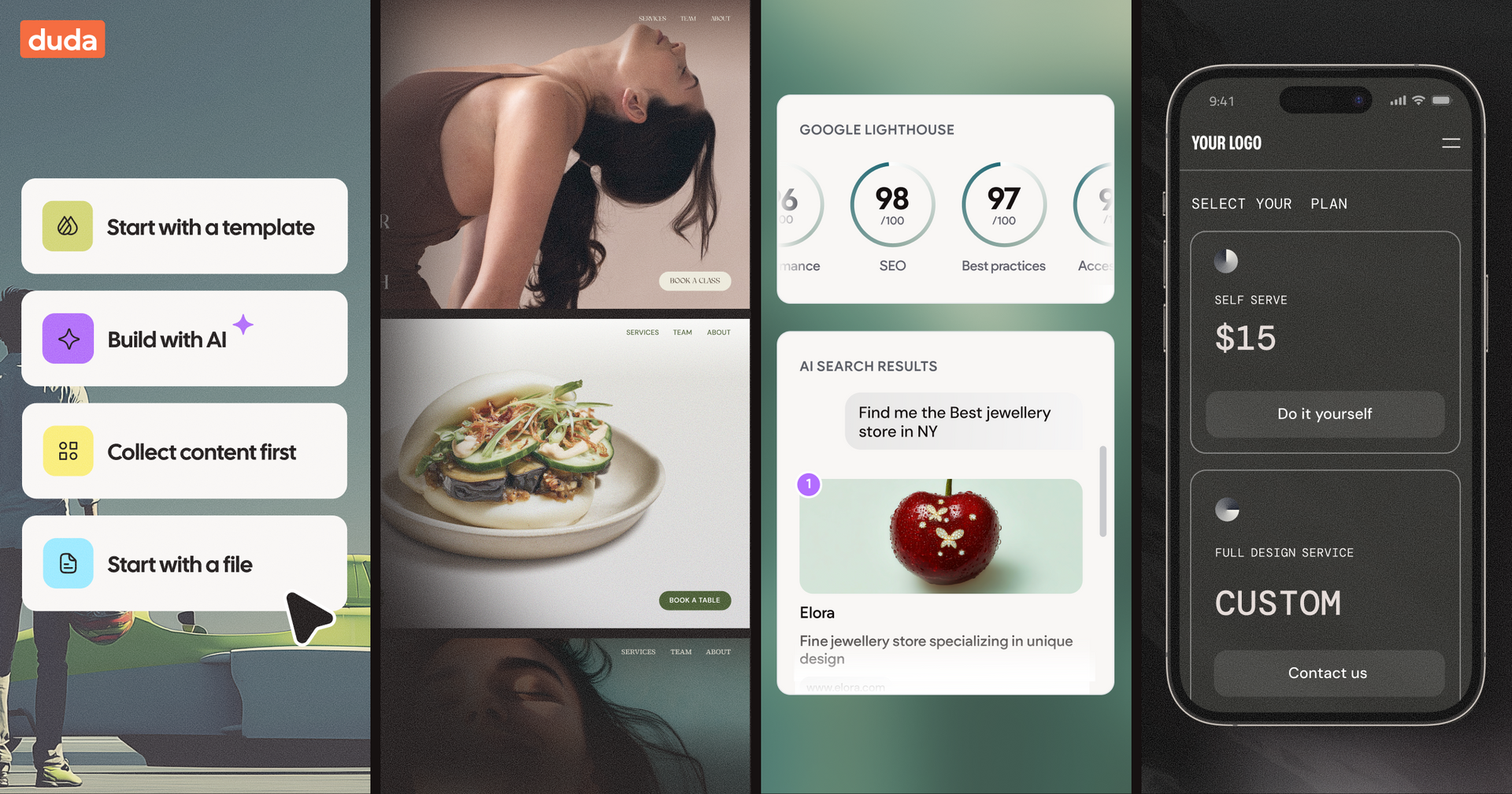

Agencies and freelancers managing multiple client builds.
Compare Signal may earn a commission when readers click partner links and convert. That does not change the editorial verdict, scoring logic, or the order of product analysis.
Choose by workflow fit
The first screen should help buyers decide in seconds, then the rest of the page backs up that answer with structured evidence.
Squarespace is the stronger fit for creators and brand-led businesses that care about presentation quality.
Duda is the stronger fit for agencies and freelancers managing multiple client builds.
Squarespace has the stronger edge on ease of launch with easy.
Structured head-to-head
Facts stay deterministic and visible in the first render, while the surrounding narrative explains why the differences matter.
Pricing context without the clutter
Pricing cards stay outside the verdict and outside the CTA cluster so buyers can compare commercial fit without losing the main decision path.
Why each tool wins and where it gives ground
High-intent buyers trust pages more when the losing arguments are visible instead of being buried.
- Premium default presentation quality with less setup effort than custom-design platforms.
- Strong fit for portfolios, personal brands, studios, and service businesses that sell trust visually.
- A better bridge between creator websites and light commerce than many budget builders.
- Not as operationally deep as Shopify for serious commerce businesses.
- Less extensible than Webflow or WordPress.com when content modeling and customization become core.
- Very relevant when the buying problem is agency throughput rather than a single business site.
- Built around repeatable delivery, client handoff, and site-management workflows.
- Useful contrast product against Webflow in the agency segment.
- Less compelling for solo operators building one marketing site.
- Does not match Shopify for serious commerce or Webflow for open-ended design systems.
Decision summary
This section is the short answer most visitors are looking for. The rest of the page exists to make that answer defensible.
Squarespace is the stronger fit for creators and brand-led businesses that care about presentation quality.
Duda is the stronger fit for agencies and freelancers managing multiple client builds.
The decision often comes down to faster launch speed: Squarespace rates easy, while Duda lands at moderate.
Common pre-purchase questions
The FAQ is intentionally compact and rendered directly in HTML for search and buyer clarity.
Which is easier to launch: Squarespace or Duda?+
Squarespace has the stronger ease-of-launch signal in the current snapshot (Easy vs Moderate). Teams that need a faster time-to-publish usually start there.
How should I choose between Squarespace and Duda?+
Start with the real job of the site. Choose Squarespace if the brief looks more like creators and brand-led businesses that care about presentation quality. Choose Duda if the buyer looks more like agencies and freelancers managing multiple client builds.
Broader next steps
Internal linking keeps the decision flow tight and gives buyers the next useful path instead of dead ends.
Wix vs Squarespace
Wix is the stronger pick when the site has to do more than look good, while Squarespace is better when premium presentation and creator-brand trust are the brief.
Shopify vs Squarespace
Shopify wins when the site is really a store with operational gravity. Squarespace wins when selling lives inside a more brand-led, editorial website.
Squarespace vs Framer
Squarespace is the better fit for creators and brand-led businesses that care about presentation quality, while Framer is stronger for fast design-led launches, startup sites, and modern creator pages.
Duda vs Webflow
Duda is stronger for agencies shipping repeatable client sites at volume, while Webflow is stronger when each project demands more custom design and CMS depth.