
Wix vs Squarespace
Wix is the stronger pick when the site has to do more than look good, while Squarespace is better when premium presentation and creator-brand trust are the brief.
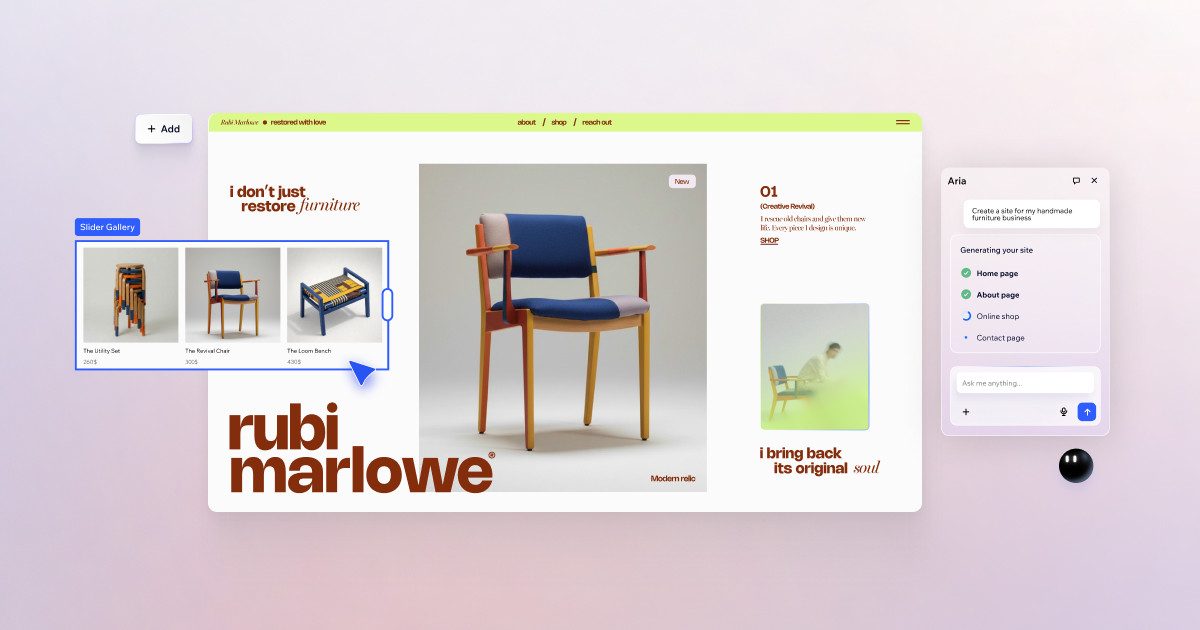

Service businesses and small teams that need to publish quickly.


Creators and brand-led businesses that care about presentation quality.
Compare Signal may earn a commission when readers click partner links and convert. That does not change the editorial verdict, scoring logic, or the order of product analysis.
Choose by workflow fit
The first screen should help buyers decide in seconds, then the rest of the page backs up that answer with structured evidence.
Wix covers the widest spread of small-business workflows with less setup friction.
Squarespace tends to look more refined out of the box for portfolios and brand sites.
Wix bundles more operational site tooling for bookings, lead capture, and all-purpose business use.
Structured head-to-head
Facts stay deterministic and visible in the first render, while the surrounding narrative explains why the differences matter.
Pricing context without the clutter
Pricing cards stay outside the verdict and outside the CTA cluster so buyers can compare commercial fit without losing the main decision path.
Why each tool wins and where it gives ground
High-intent buyers trust pages more when the losing arguments are visible instead of being buried.
- Fastest path to a polished business site for non-technical operators.
- Broad template catalog and packaged business tooling.
- Strong fit when speed matters more than total frontend control.
- Less flexible than Webflow for design systems and content modeling.
- Not as operationally strong as Shopify for serious ecommerce programs.
- Premium default presentation quality with less setup effort than custom-design platforms.
- Strong fit for portfolios, personal brands, studios, and service businesses that sell trust visually.
- A better bridge between creator websites and light commerce than many budget builders.
- Not as operationally deep as Shopify for serious commerce businesses.
- Less extensible than Webflow or WordPress.com when content modeling and customization become core.
Decision summary
This section is the short answer most visitors are looking for. The rest of the page exists to make that answer defensible.
Choose Wix when the site is primarily a business asset and the team needs more than a pretty template.
Choose Squarespace when presentation quality, trust, and creator-brand polish matter more than operational range.
If the real issue is creative control rather than default polish, compare both against Webflow or Framer before deciding.
Common pre-purchase questions
The FAQ is intentionally compact and rendered directly in HTML for search and buyer clarity.
Is Squarespace better than Wix for portfolios?+
Often yes. Squarespace is usually the stronger default when the buyer values a more premium presentation with less setup work.
Is Wix more flexible for small businesses?+
Usually yes. Wix tends to cover a broader range of business-site workflows and bundled tools.
Broader next steps
Internal linking keeps the decision flow tight and gives buyers the next useful path instead of dead ends.
Best website builders for creators
Use the creator shortlist before choosing between premium presentation and broader business tooling.
Best Squarespace alternatives
See where Framer, Webflow, and WordPress.com beat Squarespace once flexibility becomes the issue.
Jimdo vs Wix
Check the simpler low-maintenance route before defaulting to the broader Wix stack.
Wix vs Shopify
Wix is the better general-purpose website builder for service businesses and lighter online selling, while Shopify is the stronger choice when ecommerce operations drive the business.
Jimdo vs Wix
Jimdo is the lighter path for tiny local businesses that just need a site online, while Wix is better once the business needs stronger marketing, bookings, or room to grow.
Shopify vs Squarespace
Shopify wins when the site is really a store with operational gravity. Squarespace wins when selling lives inside a more brand-led, editorial website.